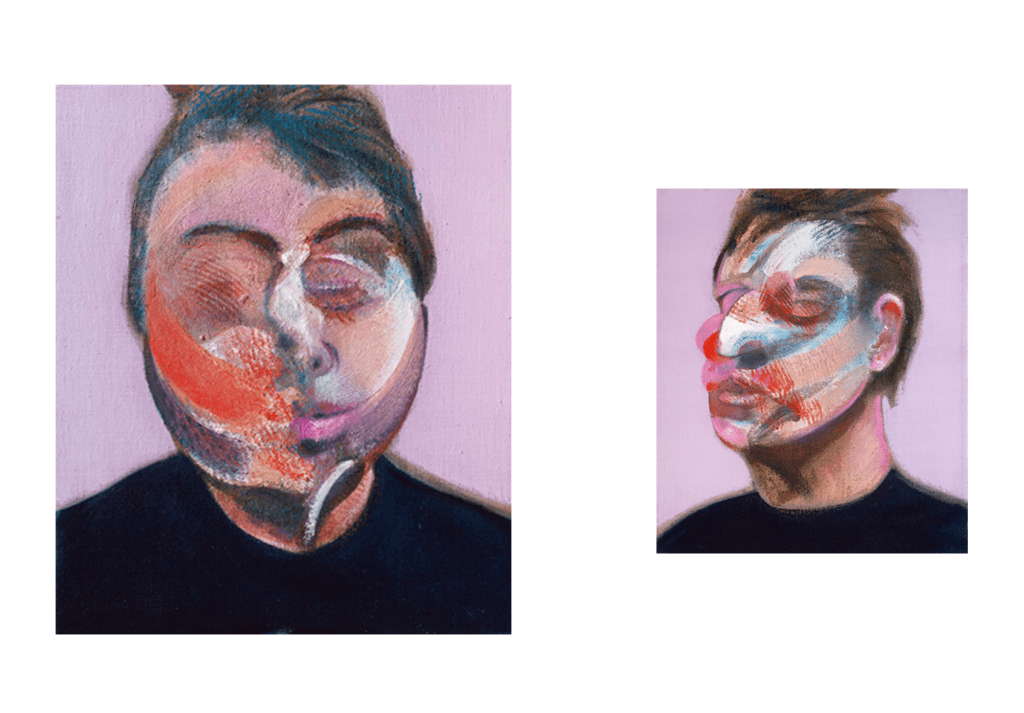
“I believe in deeply ordered chaos.
“
-Francis Bacon
I have had an idea forming in my mind for about a year now. The first spark came after playing with random numbers using the programming language Python- perhaps there was a way I could use these random numbers to ‘paint’? The first artist that sprang to mind was American artist Jackson Pollock who embraced this idea of ‘controlled randomness’ to create his masterpieces. Surely it wouldn’t be too difficult to replicate one of his pieces on my computer. Colours can, in fact, just be represented as RGB values from 0 to 255. So, generate enough of these random values and structure them in an array and surely you’ve got yourself a Pollock painting, right?
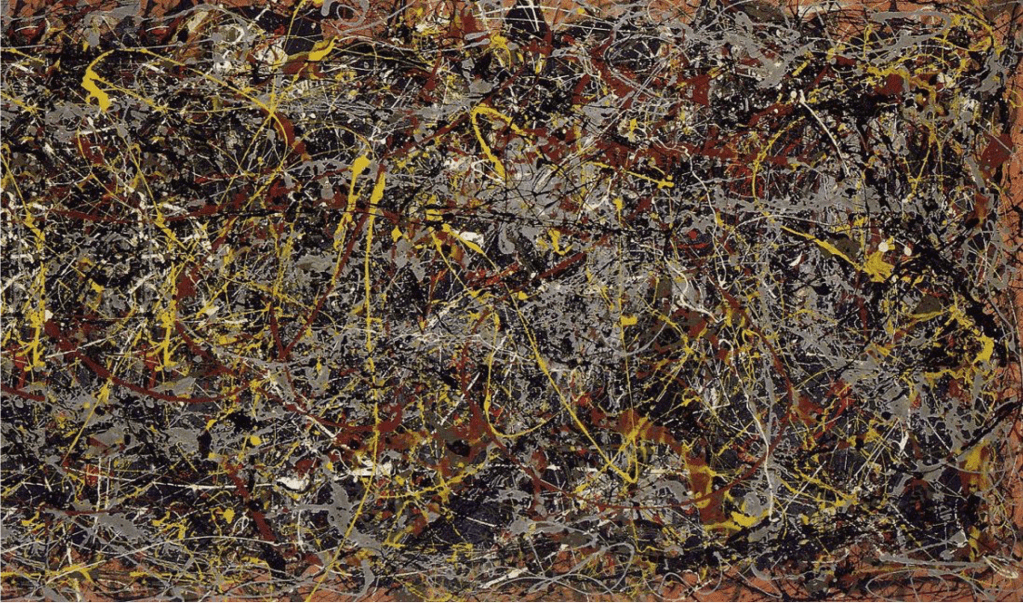
Jackson Pollock (1912-1956), ‘No 5.’, 1948
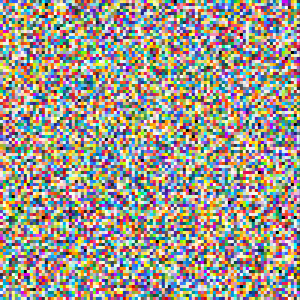
An array of random RGB values
Well, an hour later, I had written maybe 20 lines of inefficient code (I want to blame inexperience for this?), the output of which looked more like TV static noise than an awe-inspiring abstract piece of art. But at this point, I had already given up. So, like most of my Python projects, I put a pin in it so that maybe I might return more determined to tackle the problem again.
Fast forward to a few weeks from now, I watched an incredible BBC documentary ‘Francis Bacon: A brush with violence’. Such a well-produced film that it would be difficult to find a viewer left uninspired. I, for one, found my ‘Pollock idea’ rekindled. Like Pollock’s style, Francis Bacon also strongly believed in randomness and chaos but in a controlled manner that resonated in his work. Bacon’s paintings however draw directly from the human image rather than pure abstract imagination and so my initial idea began to take on a different form. Instead of creating everything from scratch (generating random numbers), I imagined how it could be possible to use samples of an artist’s work to train some sort of machine learning model that could spit out paintings of the same style. And who better to choose than Francis Bacon?
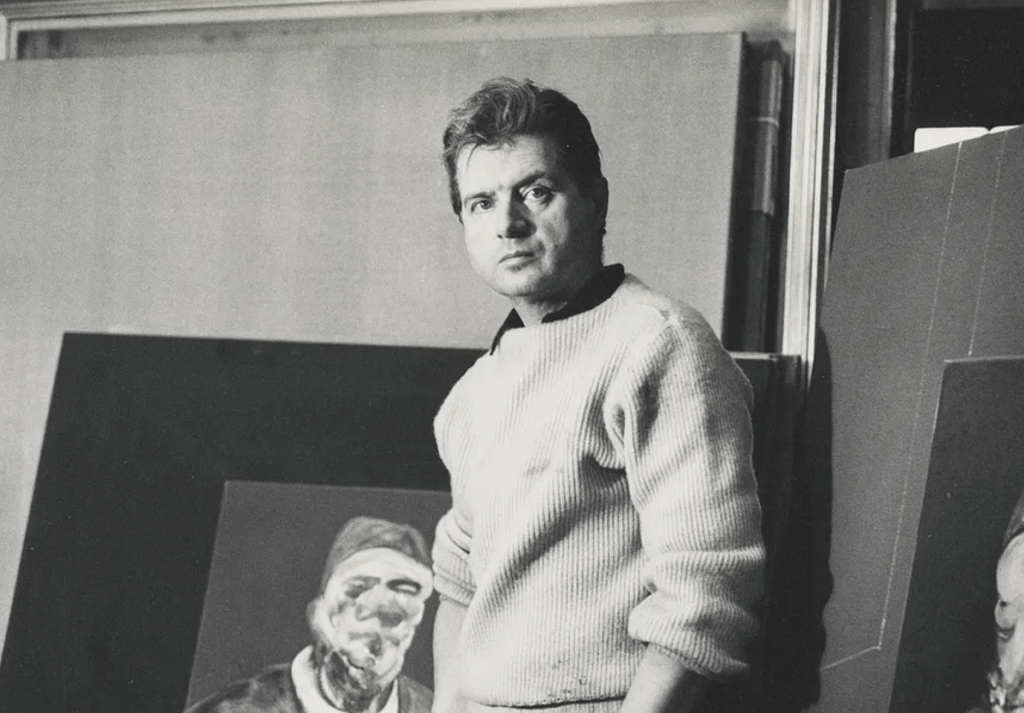
Cecil Beaton (1904-1980), ‘Francis Bacon in his studio’, 1960
Bacon created almost 600 known surviving paintings1 during his career spanning over seven decades, which is more than enough image data to get going with. In addition to that, his distinctive style and use of vibrant colours is ideal because that way I have a better sense of what I want a successful output to look like.
Bacon created almost 600 known surviving paintings1 during his career spanning over seven decades, which is more than enough image data to get going with. In addition to that, his distinctive style and use of vibrant colours is ideal because that way I have a better sense of what I want a successful output to look like.
The first step of the process is to understand the data. I have already collected some images of Bacon’s paintings and started to experiment with different image processing Python libraries to see what I can do to better understand his works before exploring machine learning possibilities. I will cover the initial image analysis in part 2.
Not only do I want to use this project to improve my coding skills and up skill in image processing and machine learning, I also want to take this opportunity to learn more about the artist through data and how each stage of Bacon’s life directly affected his paintings. And I think that is the magic of data- it will reveal things invisible to the naked eye but will also leave you with more questions than answers.
 The Data Lake
Leave a comment